Academy
Tattoo Styles
A guide to the styles and substyles of tattooing.
Complimentary shipping over 800 zł. VAT and duties included.
Country/region
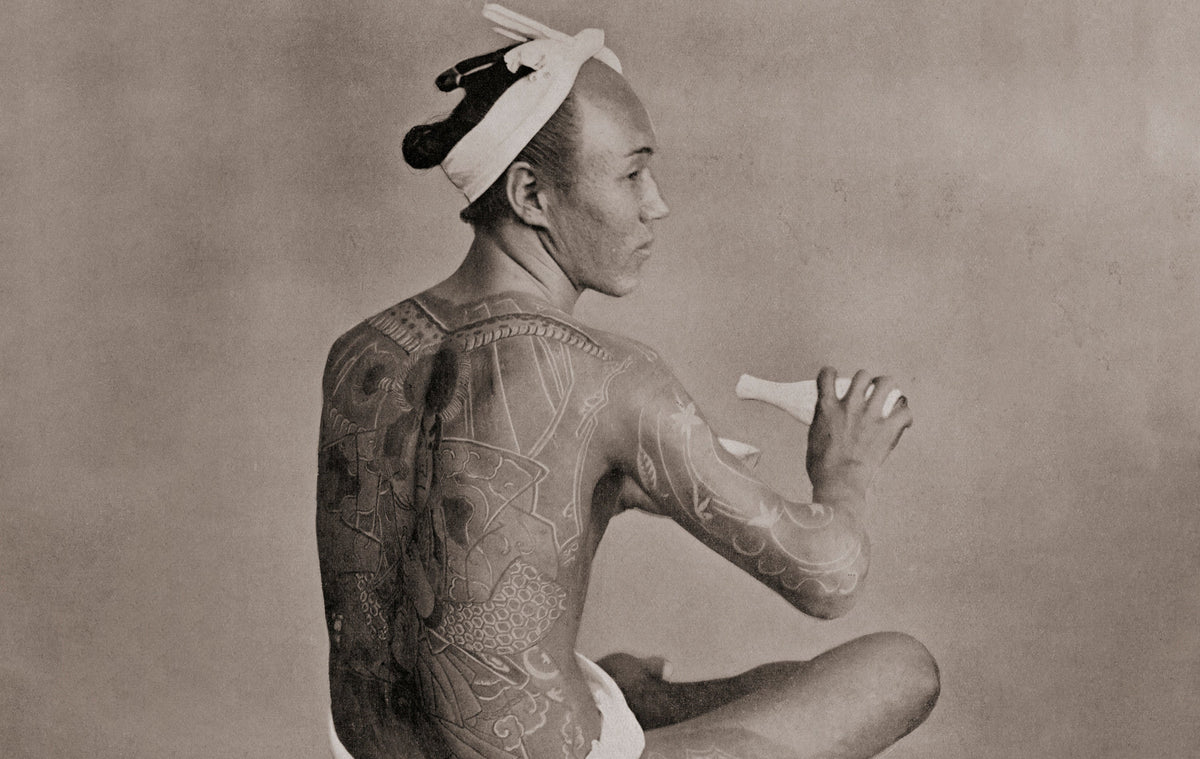
Archaeological discoveries show tattooing appeared independently across many early societies, from the frozen Alps and ancient Egypt to Oceania, Asia and the Americas. It often marked identity, spirituality, healing, punishment or cultural belonging.
The earliest known evidence of tattooing dates back over 5,000 years to Ötzi the Iceman, whose skin bore ink markings believed to be therapeutic. Across ancient civilisations, tattoos were made with tools such as sharpened bones, needles and thorns, and natural pigments such as charcoal or soot. These methods evolved dramatically with the invention of the electric tattoo machine in the late 19th century, accelerating the practice’s popularity and precision.
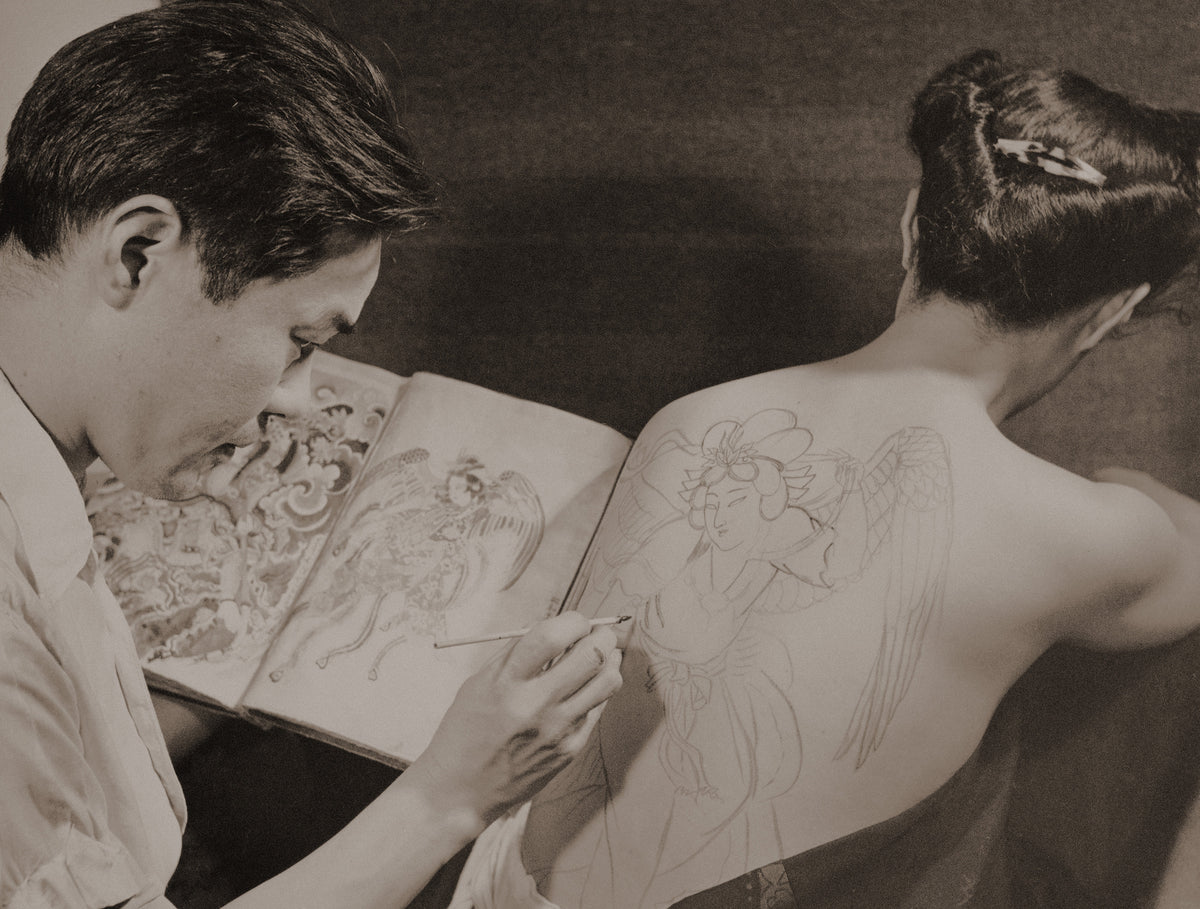
Throughout history, the social meaning of tattoos has been remarkably fluid. They have been revered in some societies and reviled in others. Tattooing has been a rite of passage, a declaration of rank, a symbol of defiance or a deeply personal story inscribed in skin. During the colonial era, tattooing traditions were suppressed or romanticised, only to be reimagined and reclaimed in later generations.
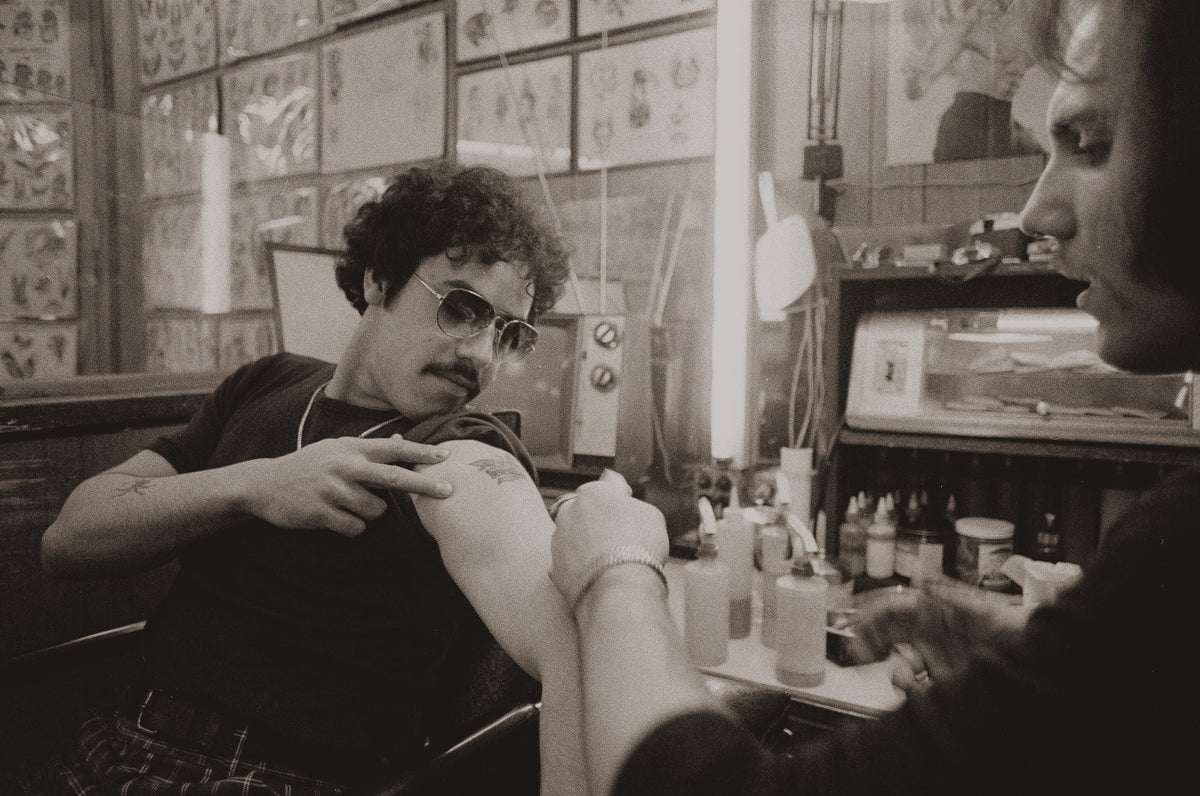
In the 20th century, tattoos moved from subculture to pop culture. Once associated with sailors, rebels and the fringes of society, tattooing is now firmly embedded in mainstream art, fashion, wellness and personal storytelling.
Today’s artists draw from ancient techniques and modern science, bringing new levels of skill, safety and creativity to a practice that remains both primal and progressive. From sacred ritual to cutting-edge design, tattooing continues to evolve, but its essence is unchanged. It remains a bold, human mark of meaning and identity.


Continue exploring
Academy
A guide to the styles and substyles of tattooing.
Academy
The artists who shaped tattooing as an art form.

Care
What to do before, during and long after your appointment.
The SKINGRAPHICA protocol
4 Ink-Safe™ formulas, each made for one stage of your tattoo’s life. Start with the stage you are in today.
Tattoo Preparation Serum
30 mL · 1.0 fl oz
Skin that takes ink evenly, for sharper lines and fuller colour.
5.0 (9)595 zł
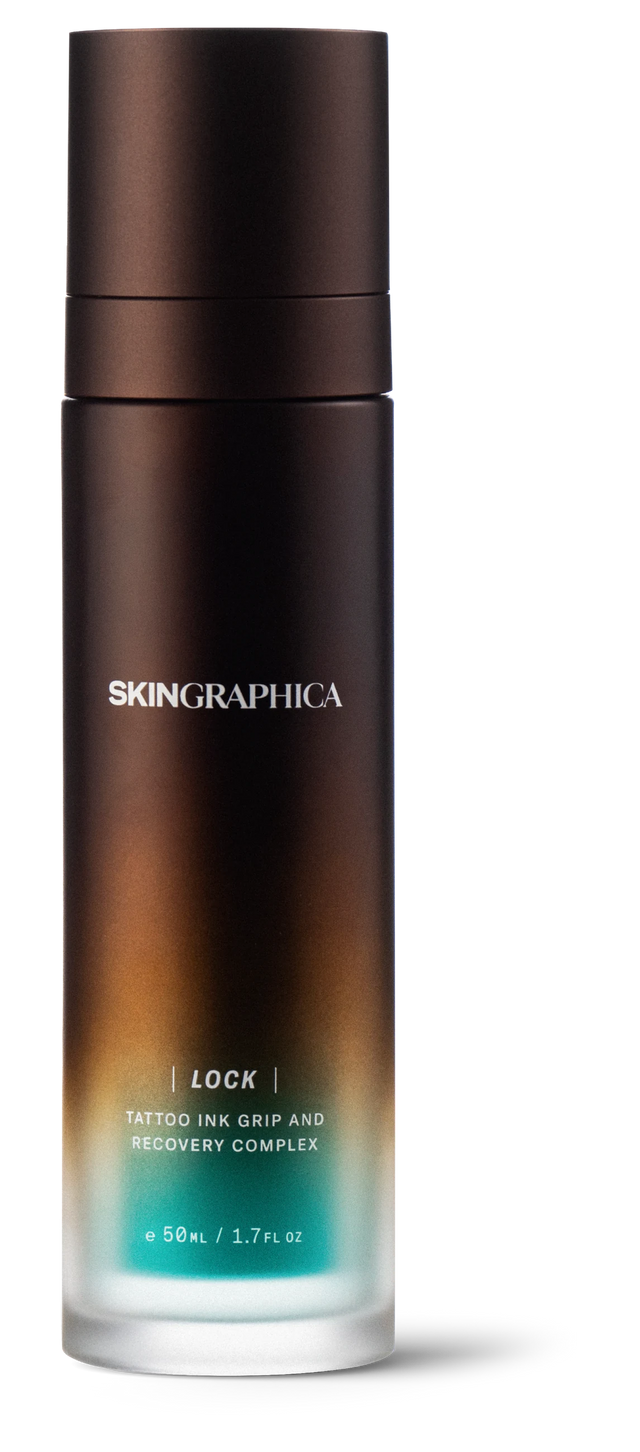
Tattoo Ink Grip & Recovery Complex
50 mL · 1.7 fl oz
Holds pigment in place through the 14 days that decide how much stays.
4.8 (9)635 zł
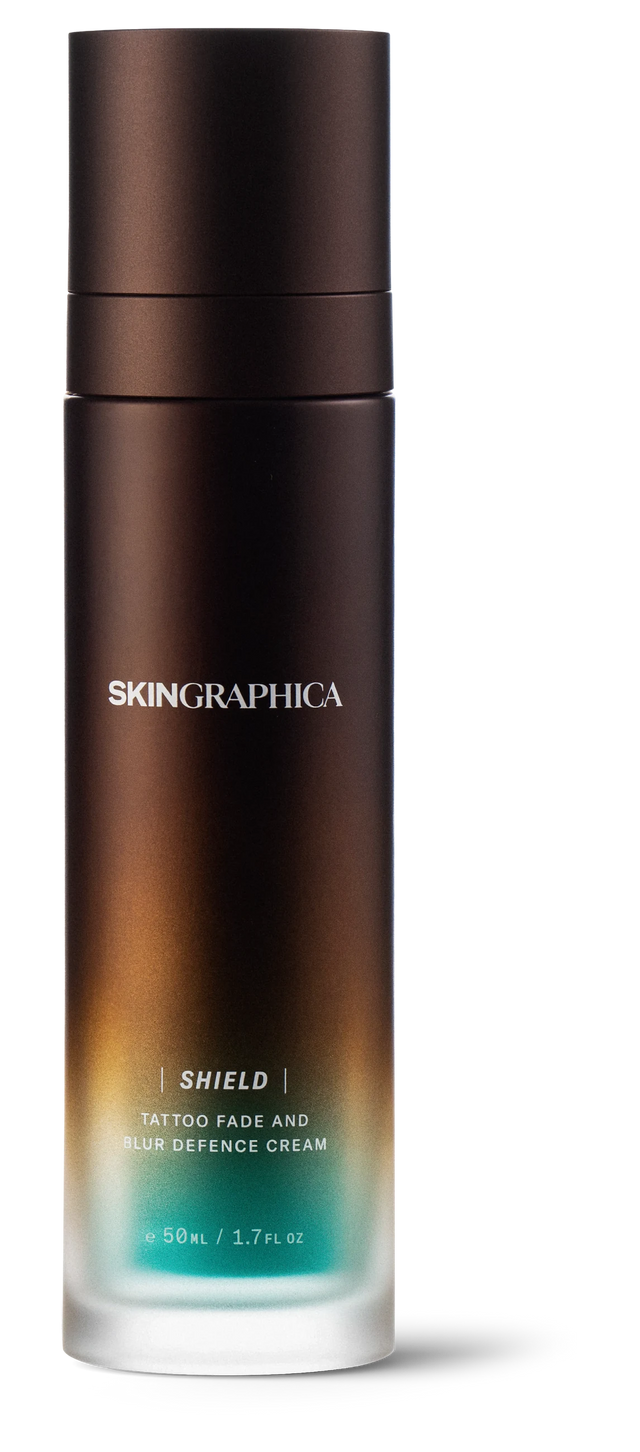
Tattoo Fade & Blur Defence Cream
50 mL · 1.7 fl oz
Keeps healed lines sharp and colour true against everyday light.
5.0 (8)545 zł
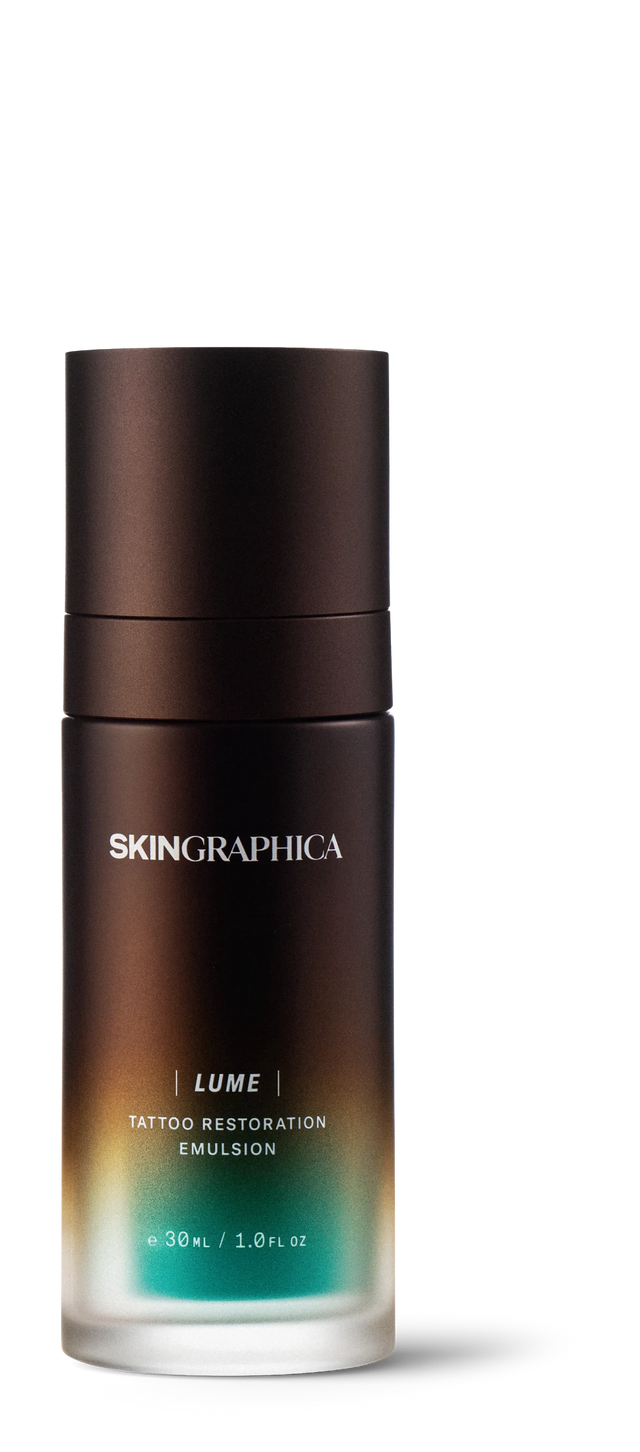
Tattoo Restoration Emulsion
Refreshes the look of faded ink, bringing back definition and brightness.
5.0 (15)Choose a size
855 zł
 Curated systemsEvery stage together, for less.SYSTEM, SYSTEM PLUS and SYSTEM LUX. Curated systems from 1.049 zł.View the systems